I have been waiting to see
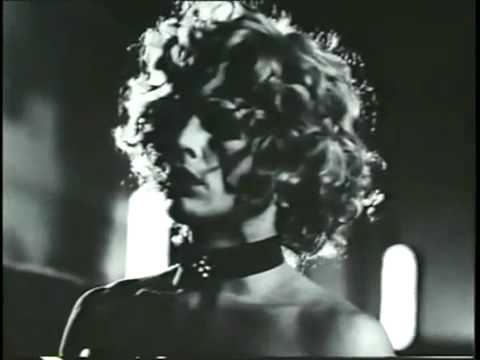
Looking for Mr. Goodbar (1977) for awhile. It's cult status emanates from a tantalizing mixture of dangerous sexual content, Seventies styling, and unavailability on DVD or on the various streaming services.
Goodbar is like a forbidden, naughty confection that you just have to taste. So when BAM announced it was including it in its
Labor of Love: 100 Years of Movie Dates film series, I grabbed a couple friends and high-tailed it out to Brooklyn to finally get a bite of
Goodbar. I wound up with a bitter mouthful of unsweetened Baker's chocolate.
Goodbar is loosely based on the best-selling Judith Rossner novel of the same name that was based on a notorious 1973 New York murder case. I use the term "loosely" because director Richard Brooks' screen adaptation departs from the actual crime story- and according to
Roger Ebert's 1977 film review, from the book as well.
Theresa (Diane Keaton who in the same year won an Oscar for
Annie Hall) is a school teacher who during the day teaches deaf kids to speak; and at night gets high and trolls bars for men to get bizzy wit'. This film (and probably the novel) revels in the taboo nature of the hedonistic woman- a woman who goes after the pleasures in life with little regard for the cultural goals of coupledom and family. I am all for this. And in parts of this movie,
Goodbar seems to be saying that equality for women includes them being able to enjoy an active sexual life just like swinging bachelors do.
Theresa starts off having an affair with her philandering professor, but after he unceremoniously dumps her, she picks herself up and finds independence by getting a job, getting her own apartment, and exploring the freedom of going out and having a good time.
Keaton's screen persona insures that Theresa does not come off as a licentious vixen. Her innate intelligence and wit makes Theresa a manage-ably damaged woman who chooses to enjoy herself and at the same time work hard to educate and empower underserved children. Keaton's Theresa says you don't have to choose between the whore and the Madonna. A real woman can be both- and there's nothing wrong with that. But then there is.

I could say spoiler alert here- but honestly, knowing that the film is based on a real-life murder case, it's hard to avoid the fact that Theresa doesn't make it to the end credits. She comes close, but the final disturbing murder scene shot in the flicker of a strobe light catching glimpses of Theresa's dying face ends her foray into free love. Before that abrupt moment, there are other scenes in the film where Theresa gets into trouble for hooking up with the wrong man- hell, even the "normal" guy she goes out with turns out to have some major stalker issues. There is no room in this film for Theresa to be fulfilled by a lifestyle that men routinely take part in without consequences. And the way it's presented, it feels like Brooks is okay with that.

Theresa's sister Katherine (played by Marilyn-toned Oscar nominee Tuesday Weld) has an abortion, swinger parties with her husband, and multiple divorces, but she doesn't wind up brutally murdered. She gets a killer fur coat and a townhouse. So is it okay to act like a hedonist as long as you get married? The night of her murder (New Year's Eve) Theresa makes the resolution that this will be the final night of her carousing, but she receives the ultimate punishment just the same. Is Brooks telling us this story as a cautionary tale like alot of the press at the time of the murder did. Or are we supposed to feel that Theresa is robbed of a free and equal life not just by the murderer, but by the male-dominated culture itself? This film is tied to the true story's ending, so perhaps no matter how Brooks wanted to approach the topic, the punitive feeling of the final scene was unavoidable.

There's one other troublesome issue with this film. Gary, the murderer, (played by a young and ripped Tom Berenger) is a gay man who earlier in the evening left his older lover because he was tired of being treated like a pansy. When Theresa kids him about not being able to "get it up", he flies into a rage and stabs her to death. In real-life, the murderer was not a gay man. I don't know what Rossner did with the character in the book, but Brooks' treatment of him seems shoe-horned in and feels like it is taking advantage of the risible "gay man as dangerous sexual psycho" sensationalist stereotype in Seventies cinema. It's an unfortunate depiction from the man who brought
Cat On a Hot Tin Roof's Brick Pollitt to the big screen in 1958.
None of my friends that I saw
Goodbar with enjoyed the experience. One woman in front of the crowded theater jumped up applauding at the the end and then howled out to the audience, "Why aren't you clapping?!!" The movie doesn't seem to know whether it's a romantic drama, comedy (Theresa's R-rated Walter Mitty-esque fantasies seem particularly out of place), or thriller- its genre as confused as its setting. (Is it New York? Chicago? San Francisco? Purposefully ambiguous so that it becomes a universal warning?) Several events in the screenplay like a trip to a gay bar and the gifting of a strobe light feel like they are only used to justify a plot point (or a lighting effect) later on- not part of a fluid narrative. And the final icky impression of punishment for the sexually liberated woman stuck to us like melted chocolate.

But there are some fantastic visuals from Oscar-nominated cinematographer William A. Fraker, and the sight of a young Richard Gere doing push-ups in a jockstrap is certainly worth the price of admission. Just be prepared for a movie that might leave a bad taste in your mouth.