Grazi, Mr. Shaffer.
Monday, June 6, 2016
Big Screen in the Sky- Peter Shaffer
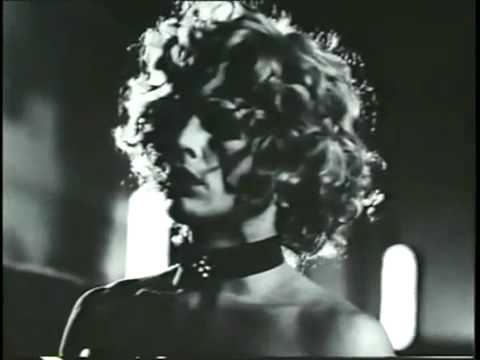
I often complain that movies these days are all based on comic books. Whatever happened to the good old days when movies were based on hit stage plays? Sadly, one of the great play/screenwriters from that era has passed. Peter Shaffer wrote both the plays and screenplays for Equus (1977) and Amadeus (1984). Equus was notorious for its psychological examination of a young man who blinds horses, bringing up all sorts of repressed sexuality issues for the late Seventies. Amadeus dared to turn classical music god Mozart into a gifted but spoiled manchild who drank, whored, and made fart sounds while still composing some of the best known music of any era. Both scripts skillfully played against what was expected, and he was Oscar-nominated for both, winning the statuette for Amadeus.
Wednesday, June 1, 2016
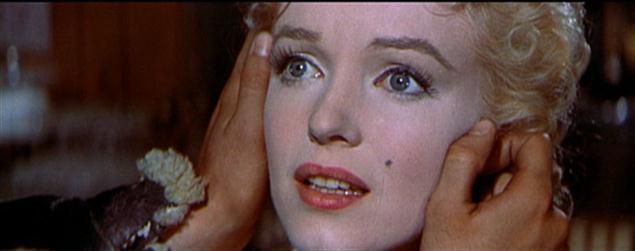
Top 5 Marilyn Monroe Movies
Marilyn's face and figure appeared on everything from posters to coffee mugs at Spencer's Gifts. I was swept up in this heady '50's nostalgia wave and could not get enough of the world's most famous blonde. I rented her movies on VHS and was captivated. Soon my bedroom resembled a Marilyn shrine, that face gazing at me from every conceivable surface on my walls.
Marilyn introduced me to Billy Wilder, Howard Hawks, Bette Davis, Clark Gable, Cary Grant, and Thelma Ritter. From there, the endless world of classic movies was open to me.
I will always be grateful to Marilyn for leading me into that very special world.
On what would have been her 90th birthday, here are my Top 5 Marilyn Movies:
Gentlemen Prefer Blondes (1953)
It's apropos that the first Marilyn film I saw was the one that made Marilyn a star. Howard Hawks directed this classic musical about a couple of showgirls who know how to turn heads to make ends meet. Marilyn is Lorelei Lee the diamond-digger with a heart of a gold. Lorelei loves millionaire Gus Edmonds, Jr., but when Gus won't propose, Lorelei gets on a boat to Europe, knowing absence makes the heart grow fonder- and in this case jealous. It's not long before Lorelei has stirred-up shipboard trouble for her and gal-pal Dorothy Shaw (Jane Russell in full cross-your-heart bra mode) by chasing a diamond tiara ("I just love finding new places to wear diamonds") and the pudgy Sir who owns it. Gentlemen was a big smash and made Marilyn a bankable star, cementing her "dumb blonde" character in popular culture.
Marilyn didn't play the first dumb blonde- Jean Harlow and Betty Grable created versions of the character before. But something about Marilyn's take was different. Marilyn added a sense of vulnerability and innocence, that made her feel more available to her audience. Her overt sexuality was not ambitious or manipulative, it was welcoming- almost natural so that it didn't come off as "dirty." Men believed this angel could fall in love with them, and women wanted to throw their arms around her and protect her from wolves in men's clothing. It was a hugely successful character- so successful that unfortunately, the public believed Marilyn wasn't acting- that she was the childlike sex object she portrayed. Marilyn fought the rest of her career to prove she wasn't Lorelei- a fight in many respects, she lost.
The Seven Year Itch (1955)
If Gentlemen made Marilyn a star, Seven Year Itch made her a supernova. Marilyn played The Girl Upstairs, an actress who is staying in the apartment above overly imaginative pulp novel editor, Richard Sherman (the goofy Tom Ewell). Richard's family is shipped-off to the country for the summer so he is left alone in the sweaty city, just him and his cinematic fantasies. When The Girl surprisingly accepts his clumsy invitation to have a drink in his air-conditioned apartment, poor Dickie realizes that after seven years of marriage, he has an itch he wants to scratch.
Marilyn's performance sparkles. Under the direction of Billy Wilder, she finds levels of sensitivity that make her so much more than a ditzy sex bomb. This girl feels sorry for the Creature from the Black Lagoon because "maybe he just craved a little affection"- and when Richard proclaims that he knows what girls like her want- she re-educates him. The scene is beautifully tender- and legend has it that she did it in the first take. Marilyn also has the opportunity to play against type in a couple of Richard's fantasies, showing that she was capable of much more than the giggle and the wiggle.
The subway grate scene is so much a part of our culture, it's hard to imagine what that image of Marilyn tittering as her skirt billows up around her must have been like when it first appeared on the screen. Well... the funny thing is that what was shown in the movie was never as much as what was shown on billboards and newsreel footage. That full shot of Monroe's body from the heels all the way to her cherubic face that we are so familiar with does not appear in the movie. But the image, shot on-location in front of thousands of cheering New Yorkers was aggressively sold before the movie came out to pack the houses- and it did. So even if it wasn't in the film itself, the idea of it alone was enough to give the audience an imagined voyeuristic thrill. And it gave us a good Snickers ad.
Bus Stop (1956)
She also had become a star pupil of Lee and Paula Strasberg of Actor's Studio fame, so she was anxious to leave the dumb blonde behind her, and have the world see her as a serious actress. Joshua Logan's production of Bus Stop was tailor-made to introduce the new Marilyn.
The film suffers from the inaction that can plague stage-to-screen adaptations, and Don Murray makes your teeth grit when he's on the screen- except when he's doing topless sit-ups. Maybe his abs are the reason Murray was nominated for a Best Supporting Actor Oscar.
But watching Marilyn spread her acting wings is a joy. She inhabits Cherie, using her vulnerability and innocence to inform a character who is dreaming of something better- of a life where she's not taken advantage of and can be respected. Unfortunately, the film did not do well at the box office, and Marilyn was not nominated for the Oscar. Hollywood essentially rejected Marilyn's attempt at serious acting.
Some Like it Hot (1959)
Marilyn teamed with Wilder a second time, and the result is what many consider the greatest film comedy of the Golden Era. Marilyn is Sugar Kane, a ukulele player on a train to Florida, playing in an all-girls band to try and get away from men. So it's ironic that two of her new pals in Sweet Sue's Society Syncopators are men dressed up as women to escape the mob. Tony Curtis and Jack Lemmon are superb as Joe and Jerry and as Josephine and Daphne, two guys on the run in heels. Lemmon in particular is so wonderful that you can't help but wish he would stay as Daphne the rest of his life. The writing and the direction on this film are so whipsmart that I defy any viewer not to fall in love with it. It is one of the great achievements of film- and in my opinion- has not and will not show its age.
By the time Marilyn made Some Like it Hot, she was in a very different position than she had been when she worked with Wilder on Seven Year Itch. Her dependence on pills had become a daily concern. Her ability to show up ready to work was horribly compromised- and not helping issues was the fact that Paula Strasberg coddled her star and openly challenged Wilder's authority on the set. Wilder wound-up embittered against his star and according to him, much of the cast and crew were in the same boat. Tony Curtis remarked in a screening room, "Kissing Marilyn is like kissing Hitler." The comment got back to Marilyn- and it only exacerbated her serious emotional issues.
But through all of the offscreen drama, Marilyn turns in a luminous performance. Gone is the dopey blonde. Sugar is a sad sex siren, wanting so much to be loved, and tired of being used up like an old tube of toothpaste- all squeezed out. Marilyn exposes the heart of this character instead of making it a joke. It is the finest comedy performance of her career.
Don't Bother to Knock (1952)
I left this movie for last- because even though it is the earliest film of the five, I think it shows a performance that Marilyn had always strived for- but because of her success, was prevented from doing later in her career.
Marilyn plays Nell, a young woman babysitting Bunny (Donna Corcoran) in a hotel room while Bunny's parents attend a banquet downstairs. When the man across the way (Richard Widmark) shows Nell some attention, it doesn't take much time for her to invite him over. Now what to do with Bunny...? It becomes apparent that Nell is missing some cards in her deck, and what starts out as a flirtation veers suddenly into unhinged infatuation, and full-blown psychosis.
It is utterly unlike anything Marilyn would portray later in her career- and I think it's safe to say that the only thing that kept Marilyn from being offered serious roles like Nell was the success she would find a year later playing comic roles like Lorelei Lee. Don't Bother is a tantalizing what-if movie that hints at the actress inside this unforgettable Hollywood icon.
Tuesday, May 24, 2016
The 2016 Bryant Park Summer Movie Festival Lineup!
One of the best annual events in New York City is the Bryant Park Summer Movie Festival held at dusk in the lovely park behind the New York Public Library.
Where else can you gather with thousands of New Yorkers and watch some of the best movies under the stars?
Sure the fights over blanket-space, the frequent sssssh-ing, and spilled Chardonnay can be annoying- but nothing tops one of those cinematic moments when the whole lawn stops and watches in awe.
Here are my thoughts on the films for this year's festival:
July 4- Top Gun (1986)
Where else can you gather with thousands of New Yorkers and watch some of the best movies under the stars?
Sure the fights over blanket-space, the frequent sssssh-ing, and spilled Chardonnay can be annoying- but nothing tops one of those cinematic moments when the whole lawn stops and watches in awe.
Here are my thoughts on the films for this year's festival:
Probably one of the seminal movies of the '80's. Expect a lawn-wide "Danke Schoen" serenade and a "Twist and Shout" riot.
June 27- East of Eden (1955)
Weird choice. The movie is very long- and loses some of the brilliance of the book. But it's James Dean. Who wouldn't want to lay on a blanket with him?
July 4- Top Gun (1986)
Another seminal movie of the '80's. Expect a lawn-wide "You've Lost That Loving Feeling" serenade. Frequent snickers at the gay subtext can also be expected.
One of my favorite comedies. Read more about it here. There's some overt racism that might get booed.
July 18- The Omen (1976)
Personally, I prefer Damien: Omen II (1978), but there's plenty of weird deaths in this first one to keep you laughing/cringing. Satanic nannies, devil-dogs, and fun with lightning rods. It's all for you...
July 25- Three Days of the Condor (1975)
The opening of this movie haunted my childhood. In an era where workplace shootings are commonplace, it's best to always be late for work.
August 1- Harvey (1950)
August 8- High Plains Drifter (1973)
I often get my Clint Eastwood '70's westerns confused- but whichever one this is, expect shooting, sneering, and those always wonderful Eastwood one-liners.
August 15- The Big Chill (1983)
I've never sat through this one. Maybe I need to be at Bryant Park this night...
August 22- Star Trek II: The Wrath of Khan (1982)
This is my favorite Star Trek movie. It is sci-fi fun from stem to stern- and actually has the most poignant moments in the whole franchise. The crowd-backed cry of "Khaaaaaaannnnnnn!!!" will be heard for miles.
So grab a blanket and a picnic basket (with cleverly concealed wine) and head to Bryant Park this summer!
This is my favorite Star Trek movie. It is sci-fi fun from stem to stern- and actually has the most poignant moments in the whole franchise. The crowd-backed cry of "Khaaaaaaannnnnnn!!!" will be heard for miles.
So grab a blanket and a picnic basket (with cleverly concealed wine) and head to Bryant Park this summer!
Friday, May 20, 2016
Jimmy, Jimmy, Oh, Jimmy, Jimmy!
H-h-h-h-he is one of the most recognizable stars of Classic Hollywood. With his boyish charm and humble stutter, James Stewart personified the thoughtful, passionate everyman in a career that spanned over fifty years. Born in Indiana, Pennsylvania, Stewart started his entertainment career in college and then went to Broadway. By the mid-Thirties he was making movies in Hollywood and was a bankable star by the end of the decade.
When America went to war, Stewart was drafted- but was found to be underweight. Rather than shrugging his bony shoulders and going back to the safety of a Hollywood soundstage, he kept re-applying (and eating) until he was accepted in the Air Corps, turning down a behind-the-lines instructor position to fly actual combat missions.
His return to Hollywood in Frank Capra's It's a Wonderful Life (1946) not only created an iconic film role, but signaled a more complex Stewart that reflected Post-War America. He would work with some of the masters of Fifties cinema: Hitchcock, Preminger, Mann, Ford. As he aged, Stewart continued to perform and remained immensely popular, earning a total of five Academy Awards and an Honorary Oscar in 1985.
Stewart was a star- but after an early reputation as a playboy, managed to avoid the kinds of scandal and rumor that attracted the likes of Hedda Hopper and Louella Parson (unless you consider the fact that he was a proud card-carrying Hollywood Republican scandalous). He was known as a consummate professional and an all-around swell fella. The lovable screen persona of Jimmy Stewart became the public image- and it has endured.
On what would have been his 108th birthday here are my Top 5 Jimmy Stewart Movies:
You Can't Take It With You (1938)
Director Frank Capra was on a roll with two Best Director Oscars for It Happened One Night (1934) and Mr. Deeds Goes to Town (1936) so the expectations for his film adaptation of Kaufman and Hart's Broadway hit You Can't Take it With You were high. Capra cast Stewart as Tony Kirby, the lovestruck son of a banker who has to re-examine his political beliefs when he falls for a gal (wise-crackin' Jean Arthur) from a kooky liberal family.
With a family of hams like Lionel Barrymore, Spring Byington, and Ann Miller, who wouldn't do a spit-take over Sunday dinner? The film hops between goofy family comedy and earnest political statement, so there are moments when Capra's social preachiness weighs-down the narrative. But Stewart was perfect as a young man addled by love and an eccentric family, finally succumbing to the charms of both.
The success of You Can't cemented Stewart's endearing stammer and open-mouthed "aw shucks" face in popular culture and became his first big hit. It also started a professional relationship with Frank Capra that would result in legendary films Mr. Smith Goes to Washington (1939) and It's a Wonderful Life (1946). Not to mention Capra earned his third and final Best Director statue. It seems in this case, you can definitely take it with you.
Destry Rides Again (1939)
Stewart's first Western in a career riddled with them is a real charmer. The town of Bottleneck is run by crooked mayor Hiram J. Slade who has just had his henchman dispatch the town sheriff. Enter son of a famous lawman Tom Destry, Jr. (Stewart) who without a gun, begins to clean up this one-horse town. Standing in his way is saloon chanteuse Frenchy (the not French- but who cares? Marlene Dietrich) who winds up falling for the lanky sharpshooter who ultimately has to whip out his pistol to break the bad guys.
Dietrich gives a career-defining performance, playing a world-weary gal who knows her way around a bar and a man. Her warbling of "See What the Boys in the Backroom Will Have" inspired Madeline Kahn's hilarious Lili Von Schtupp in Mel Brooks' classic Western parody Blazing Saddles (1974). And Dietrich's catfight with Una Merkel is a hair-pulling, glass-throwing, chair-breaking masterpiece that caused a ruckus with the censors.
Dietrich and Stewart are absolute magic together- a sort of odd couple with the seductive singer and the reluctant gunman throwing off sparks. Apparently they hit it off offscreen as well. In later years, Dietrich claimed she got pregnant during the affair but got rid of lil' Jimmy without telling the father. This did not prevent her from starring with Stewart years later in airplane drama No Highway in the Sky (1951) where Dietrich takes full advantage of the fact that you could still smoke on planes.
See what the boys in the backroom will have- Emphysema.
The Philadelphia Story (1940)
Is there such a thing as the perfect movie? I would venture to say there is- and this is one of them. George Cukor's romantic comedy about a society wedding was based on a successful Broadway play and had top star wattage. The great Kate Hepburn played uppercrust gal Tracy Lord (no not that Traci Lords) whose wedding to another uppercrust soul (John Howard staying out of the way of the rest of the stellar cast) is complicated when her ex-husband C.K. Dexter Haven (oh so handsome Cary Grant) shows up, along with a pair of newspaper reporters (Stewart and his gal Friday Ruth Hussey), and Tracy's philandering father (John Halliday).
Of course there are mix-ups and romantic entanglements, witty barbs, and enough cocktails to fill a backyard pool. It's one of those movies where you wish you could jump through the screen and tie one on at a garden party with these fascinating folk.
Stewart as disillusioned poet turned newshound plays against his famous image by being cynical and snide- mocking Tracy and her whims and fancies. But once he gets drunk, he gives in to his true feelings and gushes about his awe of her "magnificence." Here is the Stewart we know- the young man spilling out his heart to beat the band grabbing all of our heart strings in his thin hand. Macaulay Connor for this one shining moment becomes Jefferson Smith, giving a filibuster on love. It's a wonderful performance that earned him his only competitive Oscar. And as a member of this mostly Oscar nominated cast (someone was smoking crack and left Grant off the nomination list that year), he helped make one of the great romantic comedies of the Golden Era.
Harvey (1950)
Elwood P. Dowd has troubles. His live-in sister and niece are angry with him because his best friend Harvey is causing a stir. Why shouldn't he? He's an imaginary 6" tall rabbit. Based on the Pulitzer Prize-winning Mary Chase play (they used to make a lot of movies out of plays) Harvey was a pet project for Stewart. He had played Elwood on Broadway, and hoped to bring the success he had on stage to the screen. Spoiler alert: He did.
Stewart was at the peak of his genial abilities, making this lost alcoholic who saw the world differently irresistable. Most of the characters in the play believe Elwood is crazy, in fact they want him committed. But for the play to work, we have to believe that Elwood sees Harvey. We can't think he's crazy. And even though we don't see the hulking lepus, we want to. Stewart's innate ability to make us trust and love him achieves those aims, seemingly effortlessly. He would earn his fourth Academy Award nomination for it.
Harvey is one of those showcase movies built around one star's performance that can feel like an ego-trip. But the supporting cast that includes Oscar winner Josephine Hull joins in the heavy-lifting with Stewart and delivers a picture that works even when Stewart (and Harvey) are offscreen.
When America went to war, Stewart was drafted- but was found to be underweight. Rather than shrugging his bony shoulders and going back to the safety of a Hollywood soundstage, he kept re-applying (and eating) until he was accepted in the Air Corps, turning down a behind-the-lines instructor position to fly actual combat missions.
His return to Hollywood in Frank Capra's It's a Wonderful Life (1946) not only created an iconic film role, but signaled a more complex Stewart that reflected Post-War America. He would work with some of the masters of Fifties cinema: Hitchcock, Preminger, Mann, Ford. As he aged, Stewart continued to perform and remained immensely popular, earning a total of five Academy Awards and an Honorary Oscar in 1985.
Stewart was a star- but after an early reputation as a playboy, managed to avoid the kinds of scandal and rumor that attracted the likes of Hedda Hopper and Louella Parson (unless you consider the fact that he was a proud card-carrying Hollywood Republican scandalous). He was known as a consummate professional and an all-around swell fella. The lovable screen persona of Jimmy Stewart became the public image- and it has endured.
On what would have been his 108th birthday here are my Top 5 Jimmy Stewart Movies:
You Can't Take It With You (1938)
Director Frank Capra was on a roll with two Best Director Oscars for It Happened One Night (1934) and Mr. Deeds Goes to Town (1936) so the expectations for his film adaptation of Kaufman and Hart's Broadway hit You Can't Take it With You were high. Capra cast Stewart as Tony Kirby, the lovestruck son of a banker who has to re-examine his political beliefs when he falls for a gal (wise-crackin' Jean Arthur) from a kooky liberal family.
With a family of hams like Lionel Barrymore, Spring Byington, and Ann Miller, who wouldn't do a spit-take over Sunday dinner? The film hops between goofy family comedy and earnest political statement, so there are moments when Capra's social preachiness weighs-down the narrative. But Stewart was perfect as a young man addled by love and an eccentric family, finally succumbing to the charms of both.
The success of You Can't cemented Stewart's endearing stammer and open-mouthed "aw shucks" face in popular culture and became his first big hit. It also started a professional relationship with Frank Capra that would result in legendary films Mr. Smith Goes to Washington (1939) and It's a Wonderful Life (1946). Not to mention Capra earned his third and final Best Director statue. It seems in this case, you can definitely take it with you.
Destry Rides Again (1939)
Dietrich gives a career-defining performance, playing a world-weary gal who knows her way around a bar and a man. Her warbling of "See What the Boys in the Backroom Will Have" inspired Madeline Kahn's hilarious Lili Von Schtupp in Mel Brooks' classic Western parody Blazing Saddles (1974). And Dietrich's catfight with Una Merkel is a hair-pulling, glass-throwing, chair-breaking masterpiece that caused a ruckus with the censors.
Dietrich and Stewart are absolute magic together- a sort of odd couple with the seductive singer and the reluctant gunman throwing off sparks. Apparently they hit it off offscreen as well. In later years, Dietrich claimed she got pregnant during the affair but got rid of lil' Jimmy without telling the father. This did not prevent her from starring with Stewart years later in airplane drama No Highway in the Sky (1951) where Dietrich takes full advantage of the fact that you could still smoke on planes.
See what the boys in the backroom will have- Emphysema.
The Philadelphia Story (1940)
Is there such a thing as the perfect movie? I would venture to say there is- and this is one of them. George Cukor's romantic comedy about a society wedding was based on a successful Broadway play and had top star wattage. The great Kate Hepburn played uppercrust gal Tracy Lord (no not that Traci Lords) whose wedding to another uppercrust soul (John Howard staying out of the way of the rest of the stellar cast) is complicated when her ex-husband C.K. Dexter Haven (oh so handsome Cary Grant) shows up, along with a pair of newspaper reporters (Stewart and his gal Friday Ruth Hussey), and Tracy's philandering father (John Halliday).
Of course there are mix-ups and romantic entanglements, witty barbs, and enough cocktails to fill a backyard pool. It's one of those movies where you wish you could jump through the screen and tie one on at a garden party with these fascinating folk.
Stewart as disillusioned poet turned newshound plays against his famous image by being cynical and snide- mocking Tracy and her whims and fancies. But once he gets drunk, he gives in to his true feelings and gushes about his awe of her "magnificence." Here is the Stewart we know- the young man spilling out his heart to beat the band grabbing all of our heart strings in his thin hand. Macaulay Connor for this one shining moment becomes Jefferson Smith, giving a filibuster on love. It's a wonderful performance that earned him his only competitive Oscar. And as a member of this mostly Oscar nominated cast (someone was smoking crack and left Grant off the nomination list that year), he helped make one of the great romantic comedies of the Golden Era.
Harvey (1950)
Elwood P. Dowd has troubles. His live-in sister and niece are angry with him because his best friend Harvey is causing a stir. Why shouldn't he? He's an imaginary 6" tall rabbit. Based on the Pulitzer Prize-winning Mary Chase play (they used to make a lot of movies out of plays) Harvey was a pet project for Stewart. He had played Elwood on Broadway, and hoped to bring the success he had on stage to the screen. Spoiler alert: He did.
Stewart was at the peak of his genial abilities, making this lost alcoholic who saw the world differently irresistable. Most of the characters in the play believe Elwood is crazy, in fact they want him committed. But for the play to work, we have to believe that Elwood sees Harvey. We can't think he's crazy. And even though we don't see the hulking lepus, we want to. Stewart's innate ability to make us trust and love him achieves those aims, seemingly effortlessly. He would earn his fourth Academy Award nomination for it.
Rear Window (1954)
Before you Hitchcock fans get too up in arms, yes I chose Rear Window over Vertigo (1958) for my favorite Stewart/Hitchcock movie. Vertigo might be a better work of art- but I think Rear Window is a better movie.
Stewart plays photographer Jeff Jeffries who is laid-up in his New York apartment with a broken leg. Unable to get around he sits in his wheelchair and tunes in to a common New York City show- the neighbors. Jeff's apartment looks out onto a back courtyard that is ringed by the rears of multiple buildings, providing a view into the lives of all of his neighbors- or at least those that don't lower their shades. As we watch The Songwriter, Miss Torso, Miss Lonelyhearts, a pair of newlyweds, and Miss Hearing Aid, we become part of a community that doesn't know it's a community.
Jeff is the director linking all of these strangers' lives. When neighbor Lars Thorwald (a creep-a-rific Raymond Burr) begins acting very strangely, Jeff worries that a murder has occurred and uses his girlfriend Lisa (the oh-so posh Grace Kelly) to investigate.
Stewart's trustworthiness is again at the center of his performance. We have to believe that Jeff witnessed a murder- even if we don't see it. We must have faith something happened- even if other characters are reluctant to accept it. With Stewart, that belief comes unconditionally, so that even when doubts creep in, we know that ultimately he will be vindicated. It's watching how the proof is revealed that makes it so much fun.
Hitchcock's brilliant camerawork uses long takes and subtle POV shots to lure us into Jeff's voyeuristic world and link together all of the different characters. The camera rarely leaves Jeff's apartment, opting for long shots that immerse the audience in Jeff's immobile view, making us meta viewers of a viewer.
This "viewed from a distance" technique produces a feeling of helplessness- much how Stewart feels when watching Lisa in danger from the confines of his apartment. Instead of a simple gimmick, Hitchcock's use of the camera allows us to be part of the film- and that ups the thrill level as the mystery unfolds.
Oh and Thelma Ritter appears as a sassy visiting nurse. Who wouldn't want that rubdown?
If all that's not enough to prove how charming Jimmy is, watch him tell a joke.
Before you Hitchcock fans get too up in arms, yes I chose Rear Window over Vertigo (1958) for my favorite Stewart/Hitchcock movie. Vertigo might be a better work of art- but I think Rear Window is a better movie.
Stewart plays photographer Jeff Jeffries who is laid-up in his New York apartment with a broken leg. Unable to get around he sits in his wheelchair and tunes in to a common New York City show- the neighbors. Jeff's apartment looks out onto a back courtyard that is ringed by the rears of multiple buildings, providing a view into the lives of all of his neighbors- or at least those that don't lower their shades. As we watch The Songwriter, Miss Torso, Miss Lonelyhearts, a pair of newlyweds, and Miss Hearing Aid, we become part of a community that doesn't know it's a community.
Stewart's trustworthiness is again at the center of his performance. We have to believe that Jeff witnessed a murder- even if we don't see it. We must have faith something happened- even if other characters are reluctant to accept it. With Stewart, that belief comes unconditionally, so that even when doubts creep in, we know that ultimately he will be vindicated. It's watching how the proof is revealed that makes it so much fun.
Hitchcock's brilliant camerawork uses long takes and subtle POV shots to lure us into Jeff's voyeuristic world and link together all of the different characters. The camera rarely leaves Jeff's apartment, opting for long shots that immerse the audience in Jeff's immobile view, making us meta viewers of a viewer.
This "viewed from a distance" technique produces a feeling of helplessness- much how Stewart feels when watching Lisa in danger from the confines of his apartment. Instead of a simple gimmick, Hitchcock's use of the camera allows us to be part of the film- and that ups the thrill level as the mystery unfolds.
Oh and Thelma Ritter appears as a sassy visiting nurse. Who wouldn't want that rubdown?
If all that's not enough to prove how charming Jimmy is, watch him tell a joke.
Monday, May 9, 2016
Looking for Mr. Goodbar -or- Slut-Shaming Seventies Style
I have been waiting to see Looking for Mr. Goodbar (1977) for awhile. It's cult status emanates from a tantalizing mixture of dangerous sexual content, Seventies styling, and unavailability on DVD or on the various streaming services. Goodbar is like a forbidden, naughty confection that you just have to taste. So when BAM announced it was including it in its Labor of Love: 100 Years of Movie Dates film series, I grabbed a couple friends and high-tailed it out to Brooklyn to finally get a bite of Goodbar. I wound up with a bitter mouthful of unsweetened Baker's chocolate.
Goodbar is loosely based on the best-selling Judith Rossner novel of the same name that was based on a notorious 1973 New York murder case. I use the term "loosely" because director Richard Brooks' screen adaptation departs from the actual crime story- and according to Roger Ebert's 1977 film review, from the book as well.
Theresa (Diane Keaton who in the same year won an Oscar for Annie Hall) is a school teacher who during the day teaches deaf kids to speak; and at night gets high and trolls bars for men to get bizzy wit'. This film (and probably the novel) revels in the taboo nature of the hedonistic woman- a woman who goes after the pleasures in life with little regard for the cultural goals of coupledom and family. I am all for this. And in parts of this movie, Goodbar seems to be saying that equality for women includes them being able to enjoy an active sexual life just like swinging bachelors do.
Theresa starts off having an affair with her philandering professor, but after he unceremoniously dumps her, she picks herself up and finds independence by getting a job, getting her own apartment, and exploring the freedom of going out and having a good time.
Keaton's screen persona insures that Theresa does not come off as a licentious vixen. Her innate intelligence and wit makes Theresa a manage-ably damaged woman who chooses to enjoy herself and at the same time work hard to educate and empower underserved children. Keaton's Theresa says you don't have to choose between the whore and the Madonna. A real woman can be both- and there's nothing wrong with that. But then there is.
I could say spoiler alert here- but honestly, knowing that the film is based on a real-life murder case, it's hard to avoid the fact that Theresa doesn't make it to the end credits. She comes close, but the final disturbing murder scene shot in the flicker of a strobe light catching glimpses of Theresa's dying face ends her foray into free love. Before that abrupt moment, there are other scenes in the film where Theresa gets into trouble for hooking up with the wrong man- hell, even the "normal" guy she goes out with turns out to have some major stalker issues. There is no room in this film for Theresa to be fulfilled by a lifestyle that men routinely take part in without consequences. And the way it's presented, it feels like Brooks is okay with that.
Theresa's sister Katherine (played by Marilyn-toned Oscar nominee Tuesday Weld) has an abortion, swinger parties with her husband, and multiple divorces, but she doesn't wind up brutally murdered. She gets a killer fur coat and a townhouse. So is it okay to act like a hedonist as long as you get married? The night of her murder (New Year's Eve) Theresa makes the resolution that this will be the final night of her carousing, but she receives the ultimate punishment just the same. Is Brooks telling us this story as a cautionary tale like alot of the press at the time of the murder did. Or are we supposed to feel that Theresa is robbed of a free and equal life not just by the murderer, but by the male-dominated culture itself? This film is tied to the true story's ending, so perhaps no matter how Brooks wanted to approach the topic, the punitive feeling of the final scene was unavoidable.
There's one other troublesome issue with this film. Gary, the murderer, (played by a young and ripped Tom Berenger) is a gay man who earlier in the evening left his older lover because he was tired of being treated like a pansy. When Theresa kids him about not being able to "get it up", he flies into a rage and stabs her to death. In real-life, the murderer was not a gay man. I don't know what Rossner did with the character in the book, but Brooks' treatment of him seems shoe-horned in and feels like it is taking advantage of the risible "gay man as dangerous sexual psycho" sensationalist stereotype in Seventies cinema. It's an unfortunate depiction from the man who brought Cat On a Hot Tin Roof's Brick Pollitt to the big screen in 1958.
None of my friends that I saw Goodbar with enjoyed the experience. One woman in front of the crowded theater jumped up applauding at the the end and then howled out to the audience, "Why aren't you clapping?!!" The movie doesn't seem to know whether it's a romantic drama, comedy (Theresa's R-rated Walter Mitty-esque fantasies seem particularly out of place), or thriller- its genre as confused as its setting. (Is it New York? Chicago? San Francisco? Purposefully ambiguous so that it becomes a universal warning?) Several events in the screenplay like a trip to a gay bar and the gifting of a strobe light feel like they are only used to justify a plot point (or a lighting effect) later on- not part of a fluid narrative. And the final icky impression of punishment for the sexually liberated woman stuck to us like melted chocolate.
But there are some fantastic visuals from Oscar-nominated cinematographer William A. Fraker, and the sight of a young Richard Gere doing push-ups in a jockstrap is certainly worth the price of admission. Just be prepared for a movie that might leave a bad taste in your mouth.
Goodbar is loosely based on the best-selling Judith Rossner novel of the same name that was based on a notorious 1973 New York murder case. I use the term "loosely" because director Richard Brooks' screen adaptation departs from the actual crime story- and according to Roger Ebert's 1977 film review, from the book as well.
Theresa (Diane Keaton who in the same year won an Oscar for Annie Hall) is a school teacher who during the day teaches deaf kids to speak; and at night gets high and trolls bars for men to get bizzy wit'. This film (and probably the novel) revels in the taboo nature of the hedonistic woman- a woman who goes after the pleasures in life with little regard for the cultural goals of coupledom and family. I am all for this. And in parts of this movie, Goodbar seems to be saying that equality for women includes them being able to enjoy an active sexual life just like swinging bachelors do.
Keaton's screen persona insures that Theresa does not come off as a licentious vixen. Her innate intelligence and wit makes Theresa a manage-ably damaged woman who chooses to enjoy herself and at the same time work hard to educate and empower underserved children. Keaton's Theresa says you don't have to choose between the whore and the Madonna. A real woman can be both- and there's nothing wrong with that. But then there is.
I could say spoiler alert here- but honestly, knowing that the film is based on a real-life murder case, it's hard to avoid the fact that Theresa doesn't make it to the end credits. She comes close, but the final disturbing murder scene shot in the flicker of a strobe light catching glimpses of Theresa's dying face ends her foray into free love. Before that abrupt moment, there are other scenes in the film where Theresa gets into trouble for hooking up with the wrong man- hell, even the "normal" guy she goes out with turns out to have some major stalker issues. There is no room in this film for Theresa to be fulfilled by a lifestyle that men routinely take part in without consequences. And the way it's presented, it feels like Brooks is okay with that.
Theresa's sister Katherine (played by Marilyn-toned Oscar nominee Tuesday Weld) has an abortion, swinger parties with her husband, and multiple divorces, but she doesn't wind up brutally murdered. She gets a killer fur coat and a townhouse. So is it okay to act like a hedonist as long as you get married? The night of her murder (New Year's Eve) Theresa makes the resolution that this will be the final night of her carousing, but she receives the ultimate punishment just the same. Is Brooks telling us this story as a cautionary tale like alot of the press at the time of the murder did. Or are we supposed to feel that Theresa is robbed of a free and equal life not just by the murderer, but by the male-dominated culture itself? This film is tied to the true story's ending, so perhaps no matter how Brooks wanted to approach the topic, the punitive feeling of the final scene was unavoidable.
There's one other troublesome issue with this film. Gary, the murderer, (played by a young and ripped Tom Berenger) is a gay man who earlier in the evening left his older lover because he was tired of being treated like a pansy. When Theresa kids him about not being able to "get it up", he flies into a rage and stabs her to death. In real-life, the murderer was not a gay man. I don't know what Rossner did with the character in the book, but Brooks' treatment of him seems shoe-horned in and feels like it is taking advantage of the risible "gay man as dangerous sexual psycho" sensationalist stereotype in Seventies cinema. It's an unfortunate depiction from the man who brought Cat On a Hot Tin Roof's Brick Pollitt to the big screen in 1958.
None of my friends that I saw Goodbar with enjoyed the experience. One woman in front of the crowded theater jumped up applauding at the the end and then howled out to the audience, "Why aren't you clapping?!!" The movie doesn't seem to know whether it's a romantic drama, comedy (Theresa's R-rated Walter Mitty-esque fantasies seem particularly out of place), or thriller- its genre as confused as its setting. (Is it New York? Chicago? San Francisco? Purposefully ambiguous so that it becomes a universal warning?) Several events in the screenplay like a trip to a gay bar and the gifting of a strobe light feel like they are only used to justify a plot point (or a lighting effect) later on- not part of a fluid narrative. And the final icky impression of punishment for the sexually liberated woman stuck to us like melted chocolate.
But there are some fantastic visuals from Oscar-nominated cinematographer William A. Fraker, and the sight of a young Richard Gere doing push-ups in a jockstrap is certainly worth the price of admission. Just be prepared for a movie that might leave a bad taste in your mouth.
Subscribe to:
Comments (Atom)